What Sets an Artisan Pizza Restaurant Apart


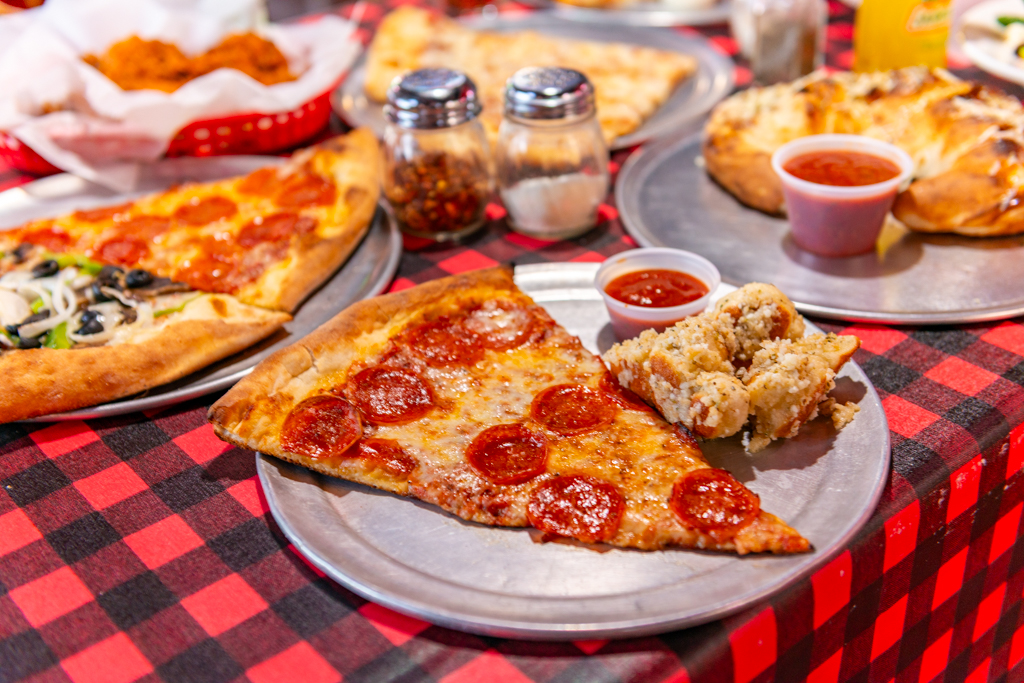
The phrase "artisan pizza" gets used freely now. You see it on storefronts, delivery apps, chalkboards, and menus that still rely on frozen dough rounds and pre-shredded cheese. That loose use of the term has made the real thing harder to spot, even for people who eat pizza often. Yet once you have spent time in a truly thoughtful pizza restaurant, the differences stop feeling abstract. They become visible in the dough, audible in the dining room, and obvious on the plate.
An artisan pizza restaurant is not defined by rustic decor, imported buzzwords, or a wood-fired oven parked near the entrance. It is defined by a set of decisions, most of them quiet, that shape the final pie. Those decisions usually cost more, take longer, and leave less room for shortcuts. They also produce a better meal, one with structure, balance, and personality.
The strongest artisan places share a common trait. They treat pizza as a craft rather than a commodity. That sounds simple, but it changes nearly everything, from how the dough is mixed at 7 a.m. To how long the mozzarella drains before service, to whether the kitchen is willing to eighty-six a topping that is past its prime.
It starts with the dough, and the dough tells the truth
If you want to know whether a pizza restaurant is genuinely artisan, start with the crust. Not the marketing, not the toppings, not the oven. The dough reveals the kitchen's standards almost immediately.
Good artisan dough has flavor before anything is added to it. That flavor comes from fermentation, proper hydration, careful handling, and enough time. Time is the part many operations resist, because time ties up labor, cooler space, and planning. It is much easier to mix dough in the morning, let it puff quickly, and use it by lunch. It is much harder to ferment dough for 24, 48, or even 72 hours, adjusting for room temperature, flour strength, and expected volume.
That longer process creates more than a trend-friendly talking point. It develops aroma, tenderness, browning, and digestibility. A crust made with patience often has a faint wheat sweetness, a gentle tang, and an interior crumb that feels open without being hollow. You can tear it, fold it, and bite through it without fighting the rim like a baguette.
In serious shops, dough is not treated as a fixed formula. It is treated as a living system. Humidity shifts. Flour changes from lot to lot. A Tuesday afternoon dough may behave differently from the same batch on Saturday night when the kitchen is running hard and the line is warm. Experienced pizza makers adjust water temperature, fermentation timing, and proofing conditions because they know consistency is earned, not assumed.
This is one of the least glamorous and most important distinctions. Many restaurants can buy good toppings. Far fewer can produce dough that is excellent on a rainy day, during a rush, with a young line cook opening pies under pressure.
Ingredients matter, but judgment matters more
There is a common belief that artisan pizza is mainly about premium ingredients. That is partly true, but not in the simplistic way it is often presented. Expensive ingredients do not automatically produce a better pizza. The real separator is judgment, knowing what belongs on a pie, in what amount, and for what reason.
Take tomatoes. A thoughtful pizza restaurant does not just ask whether the tomatoes are imported or domestic. It asks how sweet they are, how much water they carry, whether they should be milled smooth or crushed by hand, whether they need salt now or later, and how they will behave in a 90-second bake versus a 7-minute one. A bright, uncooked sauce may sing on a Neapolitan-style pie and fall flat on a thicker, crisper base that needs deeper seasoning.
Cheese offers another easy test. In weaker shops, cheese is a blanket. In stronger ones, it is a component with a job to do. Fresh mozzarella gives tenderness and milky flavor, but if it is not drained correctly it can flood a pie. Low-moisture mozzarella browns well and provides stretch, but too much can turn greasy and heavy. Parmesan, pecorino, provolone, taleggio, or ricotta each bring different salt levels, melt behavior, and aroma. The artisan kitchen understands this and uses https://riverjqpj885.fairmontdigest.com/posts/the-rise-of-gourmet-menus-at-the-modern-pizza-restaurant cheese with restraint.
The same applies to toppings. A skilled pizzaiolo knows that the right sausage is not just flavorful in isolation, it also has to cook properly in the oven, release a reasonable amount of fat, and season the pizza without dominating it. Mushrooms may need pre-roasting to avoid steaming the center. Delicate greens might go on after the bake. Hot honey can rescue a salty pie or flatten it, depending on how much sweetness is already present.
One of the clearest signs of quality is restraint. An artisan pizza restaurant is usually trying to create balance, not abundance. The pie should not collapse under the weight of ten toppings. It should taste composed.
The oven matters, but it is not a magic trick
People often talk about pizza ovens as if the equipment alone creates the result. Wood-fired, gas deck, electric deck, coal, rotating stone, steel chamber, each has its strengths. None of them guarantees excellence.
A wood-fired oven can produce beautiful blistering and soft, expressive crust. It can also produce scorched bottoms, undercooked centers, and smoke that masks every other flavor if the fire is managed poorly. A deck oven may lack some romance, but in disciplined hands it can produce extraordinary consistency, especially for styles that need a longer bake and drier finish.
What matters is whether the oven matches the style of pizza and whether the staff knows how to work with it. Heat management is a craft in itself. Floor temperature, dome temperature, recovery time, loading pattern, and turn timing all affect the final pie. In a busy service, especially on a Friday night, an oven becomes a test of systems. Can the kitchen maintain quality when twenty tickets land at once? Can it avoid rushing a pizza that needs thirty more seconds? Can it keep one part of the chamber from running too hot while another cools down?
This is where artisan restaurants distinguish themselves from concept-driven ones. The former build their process around the realities of the oven. The latter often build their identity around how photogenic the oven looks from the dining room.
A small menu is not always better, but focus usually is
Some excellent pizza restaurants offer only a handful of pies. Others run broader menus with salads, small plates, pasta, and dessert. The number of items matters less than the discipline behind them.
An artisan operation tends to know what it is and what it is not. That clarity shows up in the menu. The pizza styles make sense together. The toppings reflect the dough and bake profile. The side dishes support the meal rather than competing with it. Even the dessert often feels connected, perhaps a well-made gelato, a simple affogato, or a seasonal crostata rather than a random molten cake from a distributor.
What you rarely find in a serious craft-focused pizza restaurant is menu sprawl. If a place serves Detroit, Neapolitan, New York, Chicago deep dish, gluten-free cauliflower crust, wings, burgers, tacos, and sushi, something is probably being stretched beyond reason. Kitchens have finite space, staff attention, and equipment capacity. Specialization usually improves execution.
There is also an economic reality here. A restaurant that commits to premium flour, quality cured meats, hand-pulled cheeses, and long-fermented dough cannot hide poor menu engineering for long. Focus is often what allows craft standards to survive.
Service is part of the craft
People sometimes separate food quality from service quality, but in restaurants the two are intertwined. A pizza is especially vulnerable to timing. It peaks quickly. A pie that sits in the window too long loses heat, structure, and life. That makes front-of-house execution part of the product.
An artisan pizza restaurant usually understands this. The staff knows when to fire appetizers so they do not crowd the table just as hot pies arrive. They know whether the guest should be encouraged to eat the pizza immediately. They know how to describe the style honestly. If the crust is intentionally soft and forkless in the center, they say so. If the kitchen cuts pies a certain way for structural reasons, they explain it without sounding defensive.
Good service in this category also means helping guests order well. Not everyone needs four rich pies for a table of three. Not every topping combination is wise. The best servers steer people toward variety, pacing, and balance. That sort of guidance may not show up in reviews, but it shapes the meal.
I have seen excellent pizza kitchens undermined by indifferent service, and I have seen capable dining rooms elevate very good pizza into a memorable evening. Craft does not end at the oven mouth.
The room should reflect confidence, not theater
Atmosphere matters, but not in the obvious way. An artisan pizza restaurant does not need reclaimed wood, Edison bulbs, or flour bags stacked for effect. It needs coherence. The room should support the food and the pace of the meal.
Some of the best places are lively and spare, with open kitchens, hard surfaces, and a bit of edge. Others are warm neighborhood rooms where families linger over a second bottle of wine. The common thread is intention. The music level is considered. The table spacing makes sense. The plateware works for the style of pizza. Even the lighting matters more than people think. Pizza wants to be seen. A blistered crust and glossy tomato sauce should not disappear under nightclub lighting.
Authenticity in dining rooms is a slippery subject, because too many restaurants try to stage it. Real confidence usually looks calmer than that. It is a room designed by people who know the food can carry the evening.
Seasonality and sourcing show up in subtle ways
Not every pizza restaurant needs a farm-driven manifesto. Tomatoes for great pizza are often preserved at their peak rather than picked locally in the wrong climate or season. Flour may come from a mill hundreds of miles away. Cured meats have their own geographic logic. The point is not rigid localism. The point is thoughtful sourcing.
In artisan shops, that thoughtfulness tends to appear where it matters most. Basil tastes fresher because it is handled correctly and added at the right time. Mushrooms come from a grower who produces real flavor rather than watery bulk product. Sausage is made in-house or by a trusted butcher to a custom spec. Seasonal pies change because ingredients change, not because the menu needs marketing copy.
This sort of sourcing often produces quieter excellence than diners realize. A spring pizza with asparagus, lemon, and a restrained cheese blend might look simple, but the success of that pie depends on product quality and proportion. The same is true in late summer, when ripe tomatoes can carry almost everything if the kitchen has the discipline to leave them alone.
Consistency is where craft proves itself
A single great pizza can happen almost anywhere. The hard part is delivering that standard day after day.
Consistency is the least glamorous hallmark of an artisan pizza restaurant, and perhaps the most important. It requires prep systems, training, forecasting, maintenance, and leadership. Dough must be tracked. Mise en place must be replenished before it degrades. Oven brushes need to be used. Peels need to stay dry. New cooks need to learn not only what to do, but what to notice.
That kind of consistency costs money. It means throwing out ingredients that no longer meet standard. It means slowing a station down when a rush threatens quality. It means taking a pie back because the bottom charred too far, even when the guest might never have complained. Restaurants that make those choices reliably are rare, and you can usually feel it as a guest even if you never see the mechanics.
One useful way to judge a pizza restaurant is to visit more than once, on different days, at different times. Great artisan places are not flawless, but they are stable. The Tuesday lunch pie should still resemble the Saturday night pie in all the ways that count.
Price, value, and the uncomfortable economics of doing it right
People often wonder why artisan pizza can be expensive. After all, pizza still carries a deep cultural association with affordability. That tension is real, and the best operators understand it. They know guests compare a carefully fermented, hand-stretched pie to national chains, takeout specials, and neighborhood slices sold at entirely different cost structures.
The economics of craft pizza are unforgiving. Better flour, longer fermentation, skilled labor, premium dairy, quality cured meats, and urban rent all push the price upward. A wood-fired setup adds installation, fuel, and maintenance. Fresh ingredients create waste risk. Training takes time. If the restaurant also pays for proper service, good glassware, and a thoughtful beverage program, the margin gets tighter still.
That does not mean every high-priced pizza is worth the money. Some restaurants charge artisan prices for ordinary work. But when a place truly invests in product and process, the price often reflects real input rather than branding.
Guests usually feel value when the whole meal makes sense. The crust is excellent, toppings are proportioned well, service is sharp, and the room is comfortable. Sticker shock tends to fade when quality is obvious.
How to recognize the difference as a guest
You do not need to work in restaurants to spot an artisan operation. A few practical signs tend to repeat.
- The crust has its own flavor and texture, even at the outer edge.
- Toppings are applied with restraint, and the center of the pie is not waterlogged.
- The menu feels edited rather than bloated.
- Staff can explain the style and ingredients clearly, without reciting jargon.
- Pies arrive with urgency, as if the kitchen respects how quickly pizza changes once it leaves the oven.
None of these signs alone proves anything. Together, they usually tell an honest story.
The human factor is the real difference
The strongest artisan pizza restaurant is not just selling a recipe. It is expressing a point of view. That point of view belongs to people, often owners and cooks who have spent years refining details that many guests will never consciously identify.
Sometimes it comes from tradition, a baker who grew up around one regional style and adapted it to a new city. Sometimes it comes from technical obsession, someone who tested hydration percentages for months and changed flour suppliers twice before opening. Sometimes it comes from hospitality, a restaurateur who wanted to build a neighborhood room where pizza could be both casual and serious at once.
That human factor gives artisan restaurants their identity. Two shops may use similar ovens, similar tomatoes, and similar mozzarella, yet produce distinctly different pizzas because their priorities differ. One may chase tenderness and leopard spotting. Another may want crackle, deeper color, and a sturdier slice. One may build around restrained classics, another around seasonality and produce. Neither is automatically better. What matters is coherence and conviction.
I have always found that the most impressive places are not the ones trying hardest to prove they are artisan. They are the ones quietly living it. You can taste the preparation in the dough. You can see the standards in the bake. You can sense the discipline in the menu and the timing. Nothing feels accidental.
That, more than any single ingredient or piece of equipment, is what sets an artisan pizza restaurant apart. It is a place where craft is not a label but a daily practice, repeated through heat, pressure, and service until the pizza on the table feels inevitable, simple, and completely itself.
RUFFRANO'S HELL'S KITCHEN PIZZA Security
385 Main St, Colorado Springs, CO 80911
(719) 390-4355
FAQ About pizza restaurant
Is there a Hell's Kitchen pizza restaurant in Security-Widefield?
Yes. Ruffrano's Hell's Kitchen Pizza has a Security-Widefield location at 385 Main St.
Where can I find pizza delivery in Security-Widefield?
Ruffrano's Security location offers online ordering. Enter your address at checkout to check delivery availability and fees.
Where can I find gluten-free pizza in Security-Widefield?
Ruffrano's menu lists a 12-inch gluten-free option. Call the Security location to confirm availability and ask about shared equipment if cross-contact is a concern.